Introduction
Creating a comfortable, stylish, and functional home in a small space can be a challenging task. Limited square footage often forces homeowners to make tough decisions about furniture, storage, and decor. However, with the right approach, small spaces can feel open, organized, and aesthetically pleasing. This comprehensive guide will explore the best home decoration ideas for small spaces, focusing on layout optimization, multifunctional furniture, smart storage, and decorating tips that make your home feel larger and more inviting.
Understanding the Challenges of Small Space Living
Living in a small home or apartment comes with unique challenges. Space limitations can make it difficult to accommodate large furniture, host gatherings, or maintain organization. Clutter can accumulate quickly, and rooms can feel cramped if not designed properly.
To address these challenges, it is essential to approach small space decoration with a strategic mindset. Every decision about furniture placement, color schemes, and storage solutions should serve a dual purpose: enhancing both functionality and visual appeal. By adopting smart design techniques, even the smallest spaces can feel expansive and comfortable.
Prioritize Functionality in Every Room
Functionality should be at the core of every small space design. A functional space is one that meets your daily needs without feeling overcrowded or chaotic. Here are key strategies for enhancing functionality in small homes:
Optimize Furniture Placement
Careful furniture placement is crucial in small spaces. Avoid blocking natural light sources and maintain clear pathways for movement. Multi-purpose furniture, such as sofas with built-in storage or foldable dining tables, helps maximize usable space.
Embrace Multi-Functional Rooms
Rooms can serve more than one purpose. For example, a guest room can double as a home office, or a living room can include a small workstation. Using partitions or area rugs can visually separate functional zones without compromising openness.

Declutter Regularly
Maintaining a clutter-free environment is essential. Adopt a minimalist mindset, keeping only items that serve a purpose or bring joy. Use baskets, drawers, and cabinets to hide everyday essentials and maintain a clean, airy atmosphere.
Smart Storage Solutions for Small Spaces
One of the biggest challenges of decorating small homes is storage. Clever storage solutions not only keep your home organized but also free up valuable floor space.
Vertical Storage Options
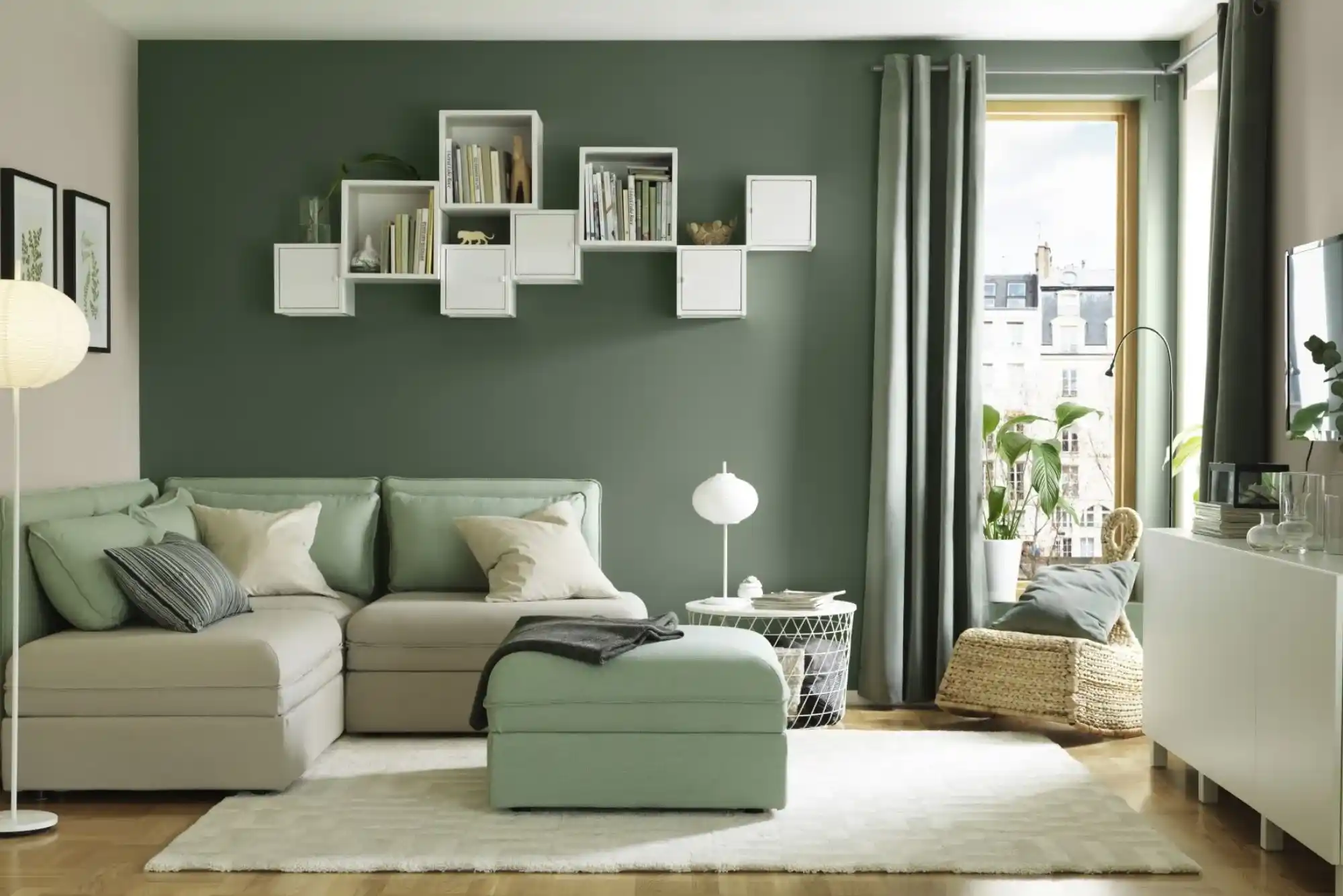
Utilize wall space for storage by installing shelves, hooks, or hanging cabinets. Tall bookcases or wall-mounted racks make use of unused vertical space and keep the floor clear.
Under-Furniture Storage
Beds, sofas, and ottomans with built-in storage compartments are perfect for hiding away clothes, linens, or seasonal items. This approach reduces clutter without compromising comfort.
Multi-Purpose Furniture
Furniture that serves multiple purposes is a lifesaver in small homes. Examples include foldable desks, extendable tables, sofa beds, and nesting tables. Investing in these items ensures that your furniture adapts to your needs rather than taking up permanent space.
Hidden Storage
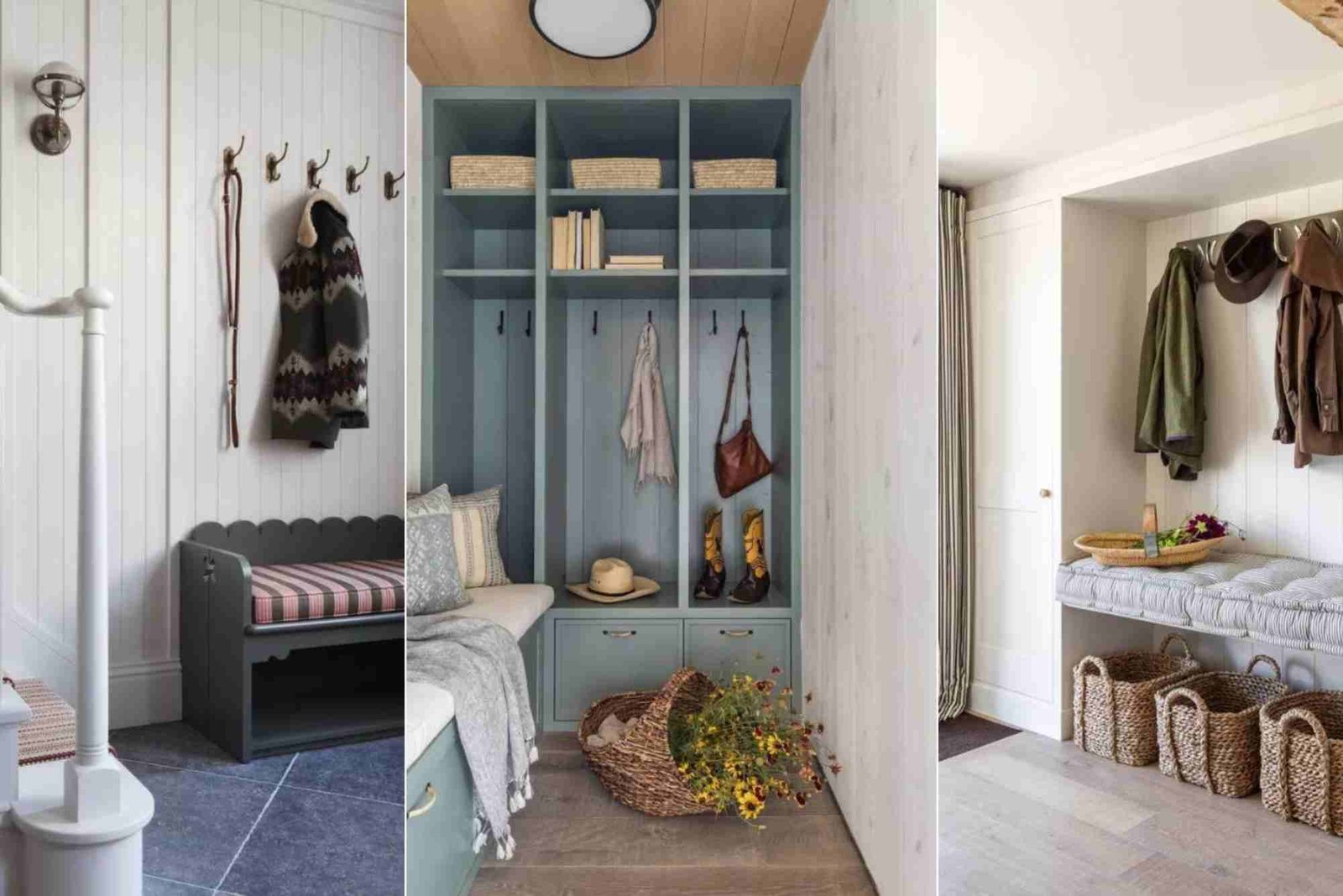
Creative hidden storage solutions, such as hollow stair steps or storage benches, help maximize every corner of your home. These subtle additions maintain a clean look while providing ample storage options.
Color Schemes That Open Up Small Spaces
Color plays a significant role in how a room feels. Light and neutral colors create the illusion of space, while darker tones can make rooms feel cozy but smaller.
Use Light Colors
White, cream, soft pastels, and muted tones reflect light and make rooms appear larger. These colors work particularly well on walls, ceilings, and larger furniture pieces.
Accent Colors
Adding pops of bold colors through accessories, cushions, or small furniture pieces adds personality without overwhelming the space. This technique prevents monotony while maintaining an open feel.
Monochromatic Palettes
Using variations of a single color can unify the room, creating a seamless and expansive appearance. For example, combining shades of beige or grey can make a small living room feel cohesive and elegant.
Maximize Natural Light
Natural light is one of the most effective ways to make small spaces feel larger and more inviting.
Window Treatments
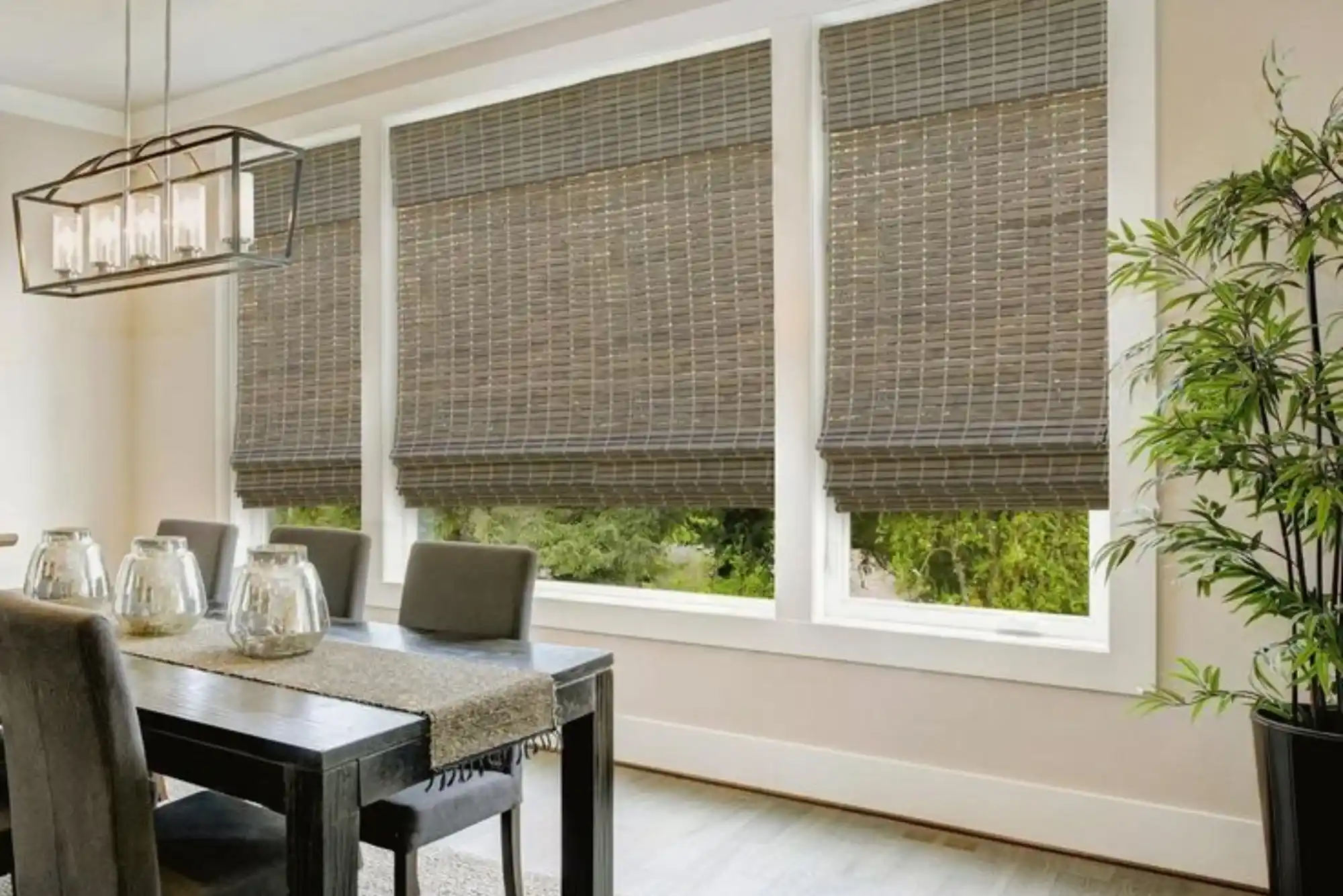
Opt for sheer curtains or blinds that allow light to filter through. Heavy drapes can make rooms feel closed in, so keeping windows uncovered where possible helps maximize light.
Mirrors and Reflective Surfaces
Mirrors reflect both natural and artificial light, creating the illusion of depth. Placing a mirror opposite a window or behind a light source amplifies brightness and adds visual space.
Light-Enhancing Furniture
Furniture with glass tops, metallic finishes, or glossy surfaces helps reflect light throughout the room, making it appear larger and more open.
Furniture Selection for Small Spaces
Choosing the right furniture is critical in small homes. Oversized or bulky pieces can overwhelm a room, while versatile, compact furniture enhances both style and functionality.
Scale and Proportion
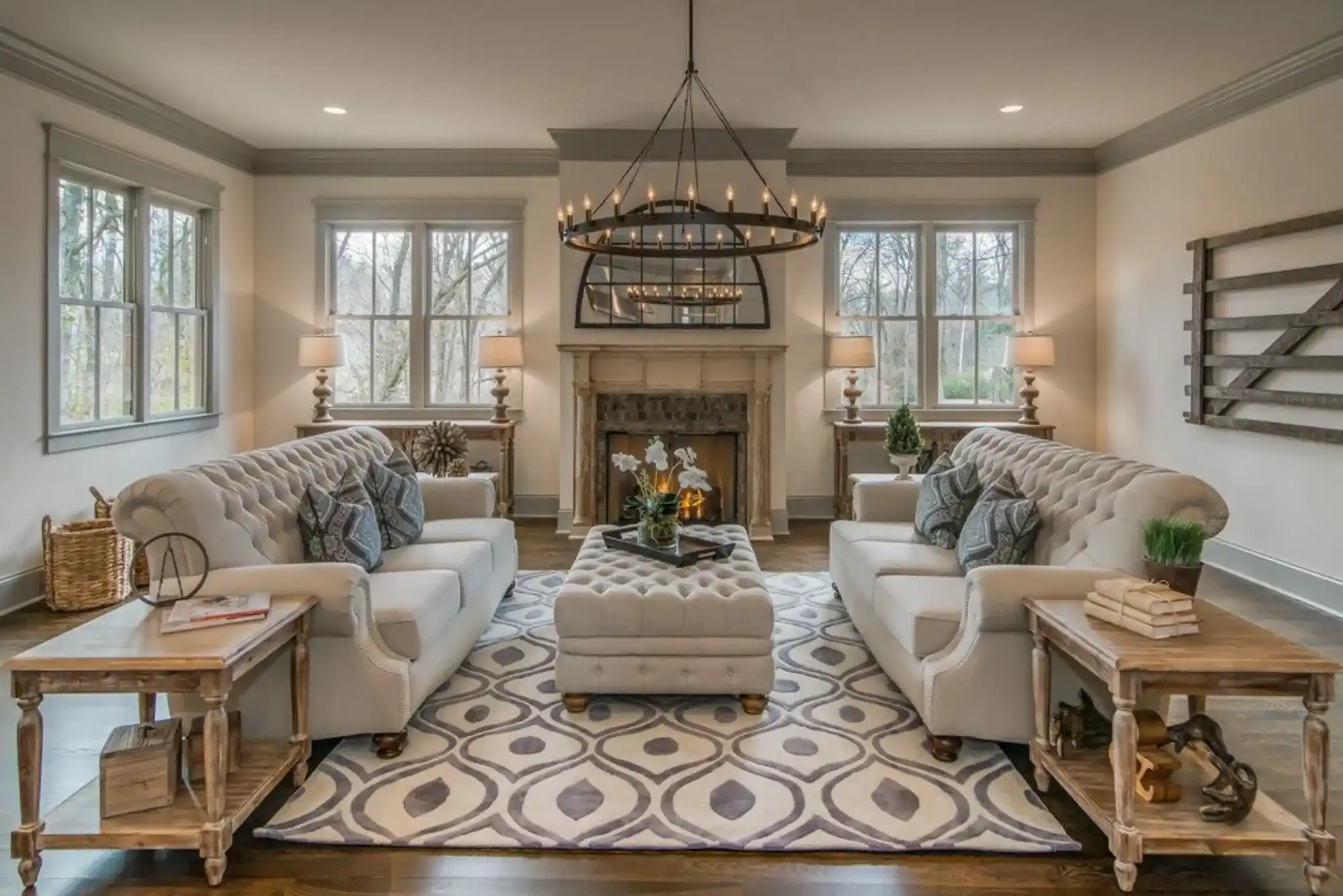
Select furniture that fits the scale of the room. Avoid oversized couches or beds that dominate the space. Instead, choose pieces that leave enough room for movement and circulation.
Modular Furniture
Modular furniture allows flexibility in arrangement. Sections can be rearranged, added, or removed depending on the current needs. Modular sofas, storage units, and shelving systems are perfect for small living areas.
Foldable and Stackable Options
Foldable chairs, nesting tables, and stackable stools can be stored away when not in use. This approach frees up floor space while maintaining functional seating and surfaces.
Clever Layouts for Living Rooms
The living room often serves multiple purposes, from entertaining guests to relaxing or working. A thoughtful layout ensures it is functional without feeling cramped.
Open Floor Plans
Open layouts connect living areas with dining or kitchen spaces, creating a sense of continuity. Using rugs or furniture arrangement to define zones helps maintain structure.
Corner Utilization
Corners are often underutilized in small spaces. Place corner shelves, small desks, or seating in these areas to maximize functionality.
Floating Furniture
Floating furniture refers to pieces that are slightly elevated off the floor or not flush against walls. This creates an airy, open feeling, making the room seem larger than it is.
Decorating Tips for Small Bedrooms
Small bedrooms require a careful balance of comfort, style, and storage.
Platform Beds with Storage
Platform beds with built-in drawers or compartments save space while eliminating the need for bulky dressers.
Wall-Mounted Nightstands
Instead of traditional bedside tables, use wall-mounted shelves or floating nightstands. These provide storage without occupying floor space.
Minimalist Decor
Keep bedroom decor simple and uncluttered. A few carefully chosen pieces, such as artwork or decorative pillows, can make the space feel inviting without overwhelming it.
Kitchen and Dining Solutions for Compact Homes
Small kitchens and dining areas can feel cramped without smart planning.
Slimline Appliances
Opt for compact appliances and built-in units to save counter and floor space.
Foldable or Extendable Tables
Dining tables that fold or extend allow flexibility when hosting guests without permanently occupying space.
Open Shelving
Open shelves keep essentials within reach and add a sense of openness compared to closed cabinets. Displaying dishes and glassware neatly can also enhance the kitchen’s visual appeal.
Bathroom Decoration Ideas for Small Spaces
Bathrooms in small homes benefit from clever storage, lighting, and layout choices.
Vertical Storage
Install shelves above toilets or beside mirrors to hold toiletries, towels, and cleaning supplies.
Glass Shower Doors
Clear glass doors instead of opaque curtains maintain visual continuity, making the bathroom feel larger.
Light Colors and Tiles
Use light-colored tiles and walls to create a clean, spacious look. Large tiles with minimal grout lines also contribute to the perception of space.
Incorporating Nature in Small Spaces
Bringing elements of nature indoors can enhance the ambiance and make small spaces feel more open and refreshing.
Indoor Plants
Small potted plants or hanging greenery add color and life to rooms. They also improve air quality and create a calming environment.
Natural Materials
Use materials such as wood, rattan, or stone in furniture and decor. These materials add warmth and texture without overwhelming the space.
Vertical Gardens
In apartments or homes with limited floor space, vertical gardens or wall-mounted plant arrangements provide greenery without consuming precious room.
Lighting Solutions to Enhance Space
Lighting can dramatically impact how a small space feels.
Layered Lighting
Combine ambient, task, and accent lighting for a balanced effect. Overhead lights provide general illumination, while table lamps or wall sconces add depth and warmth.
Reflective Fixtures
Using light fixtures with metallic or mirrored finishes helps bounce light around the room, making it feel larger.
LED Strips and Spotlights
LED strips under shelves, cabinets, or furniture create subtle illumination and visually extend surfaces, adding dimension to small areas.
Personal Touches and Accessories
Even in small spaces, personal touches can make your home feel unique and cozy.
Wall Art
Select wall art that complements the room’s color palette without overcrowding. Large pieces can act as focal points, while small collections can be arranged strategically.
Textiles
Rugs, cushions, and throws add comfort and style. Opt for textiles that coordinate with your overall design scheme.
Functional Decor
Choose decor items that serve a purpose, such as decorative baskets for storage or stylish trays for organizing essentials.
Creating the Illusion of Space
Finally, visual tricks can make a small home feel more spacious than it actually is.
Mirrors
Strategically placed mirrors expand visual space and reflect light. A full-length mirror on a wall or mirrored furniture can create depth.
Transparent Furniture
Furniture made of acrylic or glass maintains sightlines, reducing visual clutter. Clear coffee tables or chairs give the impression of more floor space.
Minimalist Approach
Less is more in small homes. Prioritize quality over quantity when decorating, and avoid overcrowding rooms with unnecessary items.
Functional Style in Small Spaces
Decorating a small home doesn’t mean compromising on style. By prioritizing functionality, selecting multi-purpose furniture, using clever storage solutions, and leveraging light and color, even the tiniest homes can feel comfortable and stylish. Small spaces encourage creativity, inspiring homeowners to find innovative ways to maximize utility while maintaining aesthetic appeal. With careful planning and thoughtful design, your home can become both functional and visually stunning, proving that size doesn’t determine comfort or style.
Related Reading: Top Home Decor Ideas for Elegant and Simple Styling
Related Reading: Best Decorative Storage Ideas for Modern Homes