Introduction
Driving is more than just moving from one place to another—it’s an experience shaped by how well your vehicle performs on the road. Many drivers complain about jerks, vibrations, or rough handling without realizing that the real issue often lies in poor maintenance habits. Learning how to improve driving smoothness through better automobile care can completely transform your driving comfort, fuel efficiency, and even vehicle lifespan.
Smooth driving doesn’t depend only on driving skill. It depends heavily on how well your car is maintained—from engine health to tire condition and suspension balance. When your vehicle is properly cared for, every ride becomes quieter, safer, and far more enjoyable.
In this guide, we’ll explore practical, experience-backed ways to improve driving smoothness through better automobile care that you can start applying today.
Understanding Driving Smoothness and Why It Matters
Driving smoothness refers to how effortlessly your car moves on the road without jerks, vibrations, or sudden resistance. A smooth ride improves comfort, reduces fatigue, and prevents long-term mechanical damage.
When drivers ignore maintenance, small issues like misaligned wheels or dirty filters gradually turn into serious problems. That’s why learning how to improve driving smoothness through better automobile care is essential for every vehicle owner.
Key benefits of smooth driving:
- Reduced fuel consumption
- Less wear and tear on vehicle parts
- Improved passenger comfort
- Better control and handling
- Longer vehicle lifespan
Regular Engine Maintenance for Smooth Performance
Your engine is the heart of your vehicle. If it doesn’t run smoothly, nothing else will.
One of the most effective ways to understand how to improve driving smoothness through better automobile care is by focusing on engine health.
Oil Changes on Time
Engine oil lubricates moving parts and reduces friction. Old or dirty oil creates resistance, causing rough acceleration and vibrations. Change your oil according to manufacturer recommendations or every 5,000–10,000 km depending on usage.
Air Filter Cleaning and Replacement
A clogged air filter restricts airflow, making the engine work harder. This leads to uneven power delivery and poor smoothness.
Fuel System Cleaning
Deposits in fuel injectors can disrupt combustion. Using high-quality fuel and periodic cleaning improves throttle response and smooth driving.
Tire Care: The Foundation of Smooth Driving
Tires are your car’s only contact with the road. Their condition directly affects ride comfort and stability.
If you’re serious about how to improve driving smoothness through better automobile care, tire maintenance should be your top priority.
Maintain Proper Tire Pressure
Underinflated or overinflated tires cause uneven contact with the road. This leads to vibrations, poor handling, and reduced fuel efficiency.
Wheel Alignment and Balancing
Misaligned wheels are one of the most common causes of shaky steering and uneven tire wear. Get alignment checked every 10,000 km or when you feel the car pulling to one side.
Rotate Tires Regularly
Rotating tires ensures even wear, improving grip and driving smoothness over time.
Suspension System: The Hidden Comfort Factor
The suspension system absorbs shocks from uneven roads. If it’s damaged, every bump becomes noticeable.
Understanding how to improve driving smoothness through better automobile care requires paying attention to suspension health.
Check Shock Absorbers
Worn-out shock absorbers lead to bouncing, instability, and rough rides. Replace them when you notice excessive vibration.
Inspect Bushings and Joints
Suspension bushings and joints wear out over time, causing noise and reduced stability.
Avoid Overloading the Vehicle
Excess weight strains the suspension system, making driving less smooth and more stressful for the vehicle.
Transmission Care for Seamless Gear Shifting
Transmission plays a crucial role in how smoothly your car accelerates and changes gears.
Transmission Fluid Maintenance
Old or low transmission fluid can cause jerky gear shifts. Regular replacement ensures seamless power delivery.
Smooth Driving Habits
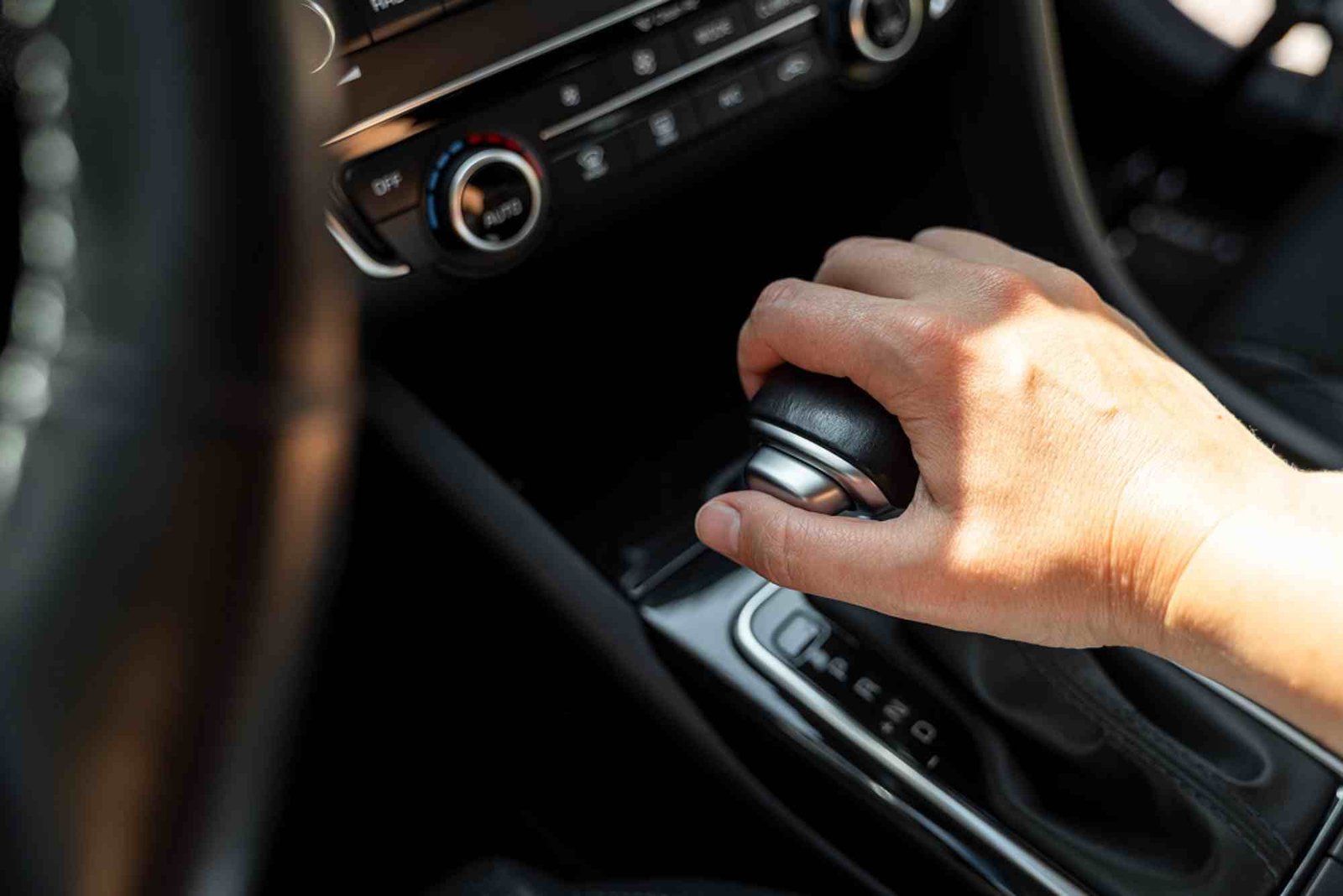
Avoid aggressive acceleration or sudden braking. Gentle driving significantly improves transmission performance.
Early Warning Signs
If you notice delayed gear shifting or grinding noises, get your transmission checked immediately.
Brake System: Smooth Stops Matter Too
Many people associate smooth driving only with acceleration, but braking is equally important.
A well-maintained brake system is essential when learning how to improve driving smoothness through better automobile care.
Brake Pad Condition
Worn brake pads can cause squeaking, vibrations, and uneven stopping.
Brake Fluid Levels
Low or contaminated brake fluid affects responsiveness and smooth braking.
Rotor Maintenance
Warped rotors create shaking during braking. Regular inspection ensures stability.
Keeping the Interior and Exterior Clean
A clean car doesn’t just look good—it performs better too.
Reduce Weight from Clutter
Excess items in your car increase weight, affecting acceleration and fuel efficiency.
Clean Exterior for Aerodynamics
Dirt buildup can slightly affect airflow, reducing efficiency at high speeds.
Interior Maintenance
Clean pedals, seats, and controls improve driver comfort and focus, indirectly enhancing smooth driving experience.
Driving Habits That Improve Smoothness
Even with perfect maintenance, bad driving habits can ruin performance.
Avoid Sudden Acceleration
Gradual acceleration reduces engine stress and improves smoothness.
Maintain Consistent Speed
Constant speed driving minimizes engine strain and fuel consumption.
Anticipate Road Conditions
Looking ahead helps you avoid sudden braking or steering adjustments.
Use Clutch Properly (Manual Cars)
Improper clutch use leads to jerky movement and long-term transmission damage.
Seasonal Car Care for Better Performance
Weather changes affect vehicle behavior more than most drivers realize.
Summer Care
Check coolant levels and avoid overheating issues.
Winter Care
Ensure battery health and use appropriate engine oil viscosity.
Monsoon Care
Inspect brakes, tires, and underbody protection to prevent slipping and corrosion.
These seasonal adjustments play a major role in how to improve driving smoothness through better automobile care throughout the year.
Advanced Maintenance Tips for Long-Term Smoothness
Regular Diagnostic Scans
Modern vehicles rely heavily on electronics. Diagnostic checks help detect hidden issues early.
Use High-Quality Parts
Cheap replacements often fail quickly and affect performance.
Follow Manufacturer Guidelines
Every vehicle has specific maintenance intervals designed for optimal performance.
Common Mistakes That Reduce Driving Smoothness
Even experienced drivers make these mistakes:
- Ignoring dashboard warning lights
- Delaying oil changes
- Driving with underinflated tires
- Overloading the vehicle
- Skipping routine servicing
Avoiding these mistakes is essential if you truly want to master how to improve driving smoothness through better automobile care.
Smooth driving is not a luxury—it’s the result of consistent care and smart maintenance. From engine health and tire condition to suspension and driving habits, every detail contributes to overall performance.
FAQs
How can I make my car drive smoother?
Regular maintenance like oil changes, tire balancing, and suspension checks can significantly improve ride smoothness.
Why does my car feel rough while driving?
Common causes include poor tire condition, misaligned wheels, worn suspension parts, or engine issues.
Does engine oil affect driving smoothness?
Yes, old or low-quality engine oil increases friction and can make the engine run roughly.
How often should I service my car for smooth driving?
Most vehicles require servicing every 5,000–10,000 km depending on usage and manufacturer guidelines.
Can driving habits affect car smoothness?
Absolutely. Aggressive driving, sudden braking, and poor gear usage can reduce smoothness and damage components over time.
Best Automobile Habits for Better Vehicle Cleanliness: Keeping your car clean improves comfort, hygiene, and resale value. Regular vacuuming, wiping surfaces, avoiding food inside, and washing exterior weekly help maintain freshness. Use mats and organizers to reduce clutter and protect interiors from dust and stains for long-lasting cleanliness daily care is essential for best results always.!