As digital payment methods continue to grow, cash remains an important part of everyday commerce. Many consumers still prefer cash for convenience, budgeting, or transactions where card payments may not be accepted. For retail businesses, installing an ATM for retailers can improve customer convenience while supporting smoother in-store transactions. Convenience stores, supermarkets, gas stations, shopping centers, pharmacies, and hospitality venues often benefit from offering customers quick and secure access to cash.
Choosing the right ATM for retailers requires more than simply purchasing a machine. Business owners should evaluate customer traffic, transaction volume, security features, installation space, maintenance requirements, and regulatory compliance. A well-placed ATM can enhance the customer experience by providing easy access to cash while supporting efficient retail operations. Retail locations with consistent foot traffic often see greater customer engagement when cash withdrawal services are readily available.
Why Retail Businesses Install ATMs
ATMs have become valuable amenities for many retail businesses because they improve convenience for shoppers while supporting daily operations.
Some key benefits include:
- Convenient access to cash
- Improved customer experience
- Increased store foot traffic
- Reduced reliance on card payments
- Faster transactions
- Additional customer service value
Retailers operating in busy commercial areas often consider ATM availability an important convenience feature for their customers.
How an ATM Supports Retail Operations
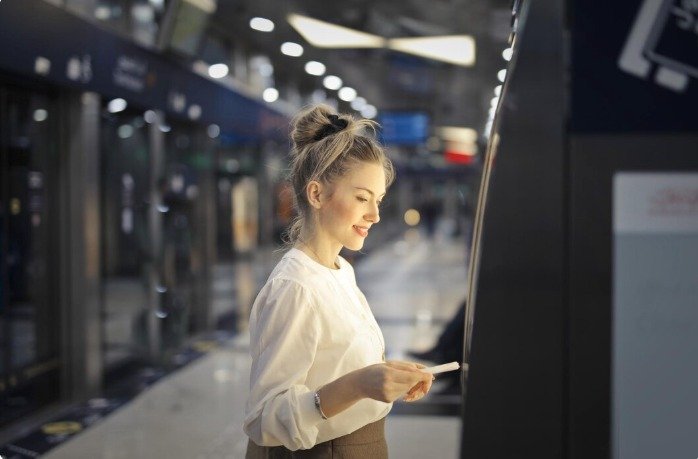
An ATM for retailers helps customers withdraw cash without leaving the premises. This convenience can reduce abandoned purchases when customers need immediate access to cash.

Common retail locations that use ATMs include:
- Convenience stores
- Grocery stores
- Shopping centers
- Restaurants
- Hotels
- Pharmacies
- Entertainment venues
- Fuel stations
The suitability of an ATM depends on customer demand, available space, and expected transaction volume.
Features to Look for When Choosing an ATM
Selecting the right ATM requires evaluating several important features.
Security
Modern ATMs should include:
- EMV chip compatibility
- Encrypted PIN pads
- Anti-skimming protection
- Secure software updates
These features help protect customer information and improve transaction security.
User-Friendly Interface
Simple menus, responsive screens, and clear instructions improve customer satisfaction.
Cash Capacity
Businesses should choose machines with sufficient cash storage based on expected withdrawal frequency.
Remote Monitoring
Many modern systems allow operators to monitor cash levels, machine status, and transaction activity remotely.
Factors to Consider Before Installation
Before purchasing an ATM, retailers should evaluate:
- Customer foot traffic
- Store layout
- Available installation space
- Expected transaction volume
- Accessibility
- Ongoing maintenance requirements
Proper planning helps maximize operational efficiency and customer convenience.
Industries That Benefit Most
Many sectors successfully incorporate ATMs into their customer service strategy.
These include:
- Retail stores
- Supermarkets
- Hotels
- Bars
- Restaurants
- Convenience stores
- Shopping malls
- Travel centers
High-traffic businesses often benefit the most from providing convenient access to cash.
Maintenance Best Practices
Keeping an ATM operating efficiently requires regular maintenance.
Recommended practices include:
- Monitoring cash levels
- Updating software
- Replacing receipt paper
- Inspecting hardware regularly
- Cleaning card readers
- Performing scheduled servicing
Routine maintenance helps reduce downtime while improving reliability.
Security Considerations
Retailers should also prioritize physical and digital security.
Best practices include:
- Installing surveillance cameras
- Providing adequate lighting
- Restricting service access
- Performing routine inspections
- Monitoring suspicious activity
- Following payment security standards
A comprehensive security approach protects both customers and business operations.
Common Mistakes to Avoid
When selecting an ATM, avoid:
- Choosing equipment based solely on price
- Ignoring long-term maintenance needs
- Underestimating customer demand
- Selecting insufficient cash capacity
- Overlooking software support
- Neglecting security planning
Careful evaluation helps businesses make informed investment decisions.
The Future of Retail ATM Technology
ATM technology continues to evolve with innovations such as contactless authentication, mobile wallet integration, enhanced fraud protection, cloud-based monitoring, and improved user interfaces. These advancements improve convenience while helping retailers provide secure and efficient financial services to their customers. As consumer expectations continue to change, modern ATM technology remains an important part of the retail environment.
Conclusion
Installing an ATM for retailers can enhance customer convenience, improve access to cash, and support efficient day-to-day retail operations. By carefully considering security, functionality, maintenance, and customer demand, businesses can choose an ATM solution that aligns with their operational needs. Businesses exploring ATM cash machines for sale should focus on reliable, secure, and scalable solutions that meet both current and future operational requirements. Whether serving a convenience store, supermarket, hotel, or shopping center, selecting the right ATM contributes to a better customer experience and long-term business value.
Related Reading: How Technology Improves Communication in the Workplace