Introduction
Fuel prices continue to fluctuate worldwide, and for most drivers, improving mileage has become a top priority. The Best Automobile Maintenance Tips for Better Fuel Savings can make a noticeable difference in how efficiently your vehicle consumes fuel. Many people think fuel economy is only about driving habits, but in reality, proper vehicle maintenance plays an even bigger role.
A well-maintained car runs smoother, burns fuel more efficiently, and reduces unnecessary strain on the engine. On the other hand, neglecting routine maintenance can silently increase fuel consumption over time without obvious warning signs. In this article, we will explore practical, expert-level maintenance strategies that can help you save money and improve overall vehicle performance.
Why Automobile Maintenance Matters for Fuel Efficiency
Keeping your vehicle in top condition is not just about avoiding breakdowns—it directly impacts fuel economy.
Engine Efficiency and Fuel Usage
A clean and properly tuned engine ensures complete fuel combustion. When components like spark plugs or air filters are worn out, the engine works harder and consumes more fuel.
Reduced Mechanical Resistance
Poor maintenance leads to friction in moving parts. This resistance forces the engine to burn extra fuel just to maintain speed.
Long-Term Cost Savings
Regular maintenance might seem like an expense, but it actually prevents higher fuel costs and expensive repairs in the future.

Best Automobile Maintenance Tips for Better Fuel Savings: Engine Care
The engine is the heart of your vehicle. Proper care ensures optimal performance and fuel efficiency.
Regular Engine Tuning
Engine tuning ensures that all components are synchronized. A poorly tuned engine can reduce mileage by up to 10–20%.
Replace Spark Plugs on Time
Old or dirty spark plugs cause incomplete combustion. Replacing them at recommended intervals improves ignition and fuel efficiency.
Use Recommended Engine Oil
Using the manufacturer-recommended oil grade reduces friction and keeps engine parts running smoothly. Low-quality oil increases fuel consumption.
Best Automobile Maintenance Tips for Better Fuel Savings: Air and Fuel Systems
Air and fuel systems play a crucial role in maintaining the right balance for combustion.
Clean or Replace Air Filters
A clogged air filter restricts airflow to the engine, forcing it to use more fuel. Replacing it regularly improves airflow and efficiency.
Fuel Injector Cleaning
Dirty fuel injectors spray uneven fuel, causing inefficient combustion. Cleaning them ensures proper fuel delivery.
Check Fuel Quality
Low-quality fuel contains impurities that reduce engine performance and mileage. Always use trusted fuel stations.
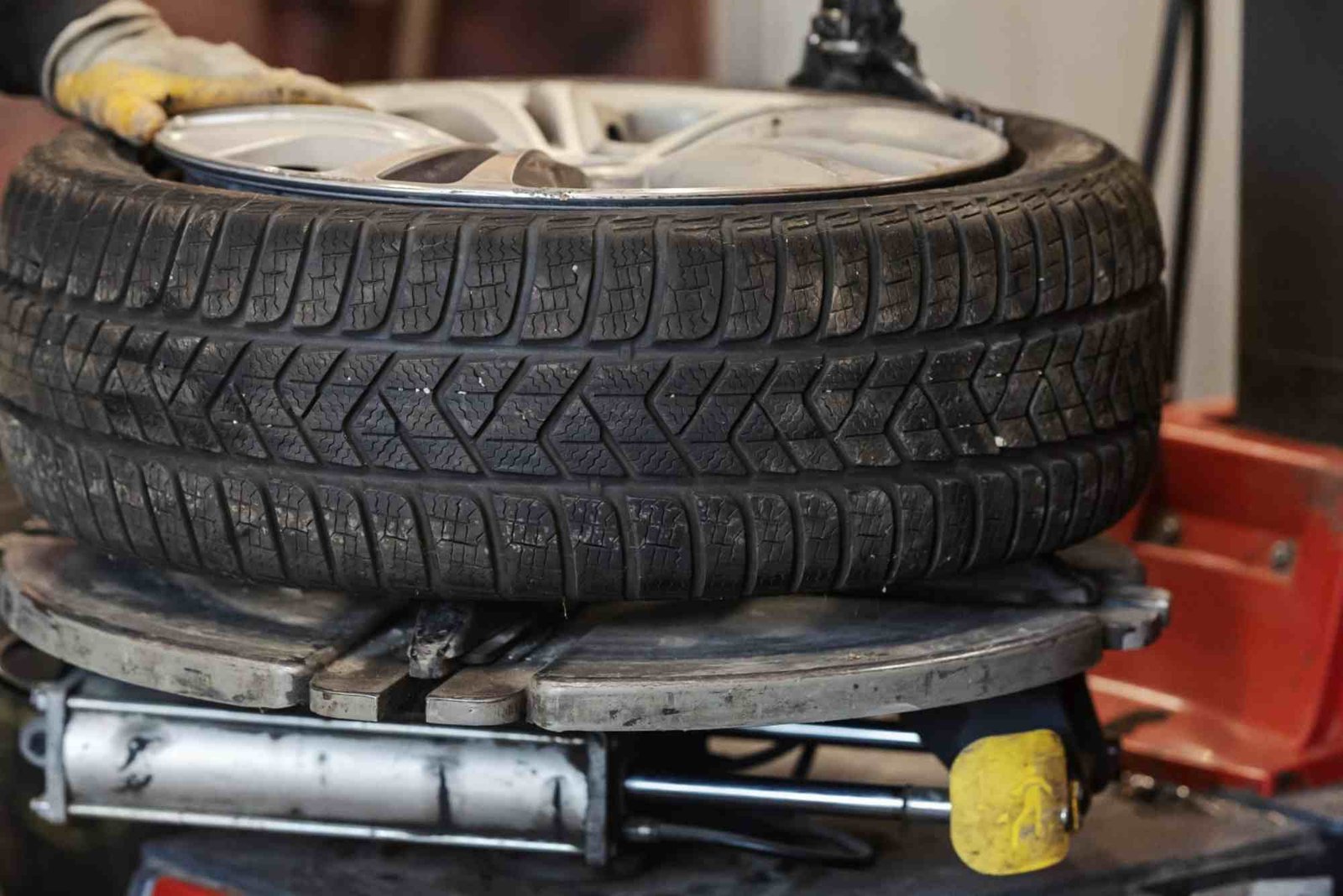
Best Automobile Maintenance Tips for Better Fuel Savings: Tire Maintenance
Tires significantly affect fuel consumption more than most drivers realize.
Maintain Proper Tire Pressure
Under-inflated tires increase rolling resistance, forcing the engine to consume more fuel. Check tire pressure at least once a month.
Wheel Alignment and Balancing
Misaligned wheels create uneven resistance, reducing mileage and causing tire wear.
Choose Fuel-Efficient Tires
Some modern tires are designed to reduce rolling resistance, improving fuel economy.
Importance of Regular Oil and Fluid Checks
Fluids ensure smooth operation of all vehicle systems.
Engine Oil Levels
Low oil levels increase friction, leading to higher fuel consumption.
Transmission Fluid
Dirty transmission fluid affects gear shifting efficiency, indirectly impacting fuel usage.
Coolant Levels
An overheating engine burns more fuel. Proper coolant levels maintain optimal engine temperature.
Driving Habits That Support Better Fuel Efficiency
Even with perfect maintenance, driving behavior plays a supporting role.
Avoid Sudden Acceleration
Rapid acceleration consumes more fuel compared to smooth driving.
Maintain Steady Speed
Using cruise control on highways helps maintain consistent fuel usage.
Reduce Idling Time
Idling wastes fuel without moving the vehicle. Turn off the engine during long stops.
Best Automobile Maintenance Tips for Better Fuel Savings: Weight and Load Management
Extra weight directly increases fuel consumption.
Remove Unnecessary Load
Carrying heavy items in your trunk reduces mileage efficiency.
Avoid Roof Carriers When Not Needed
Roof racks increase air resistance, making the engine work harder.
Keep Vehicle Light and Clean
A lighter vehicle requires less energy to move, saving fuel in the long run.
Aerodynamics and Its Impact on Fuel Savings
Air resistance affects how much fuel your car uses at higher speeds.
Close Windows at High Speed
Open windows increase drag, especially on highways.
Maintain Vehicle Shape Integrity
Damaged body parts can affect airflow and reduce efficiency.
Use Aerodynamic Accessories Wisely
Some accessories improve airflow, but unnecessary modifications may increase resistance.
Seasonal Maintenance for Better Fuel Economy
Weather changes affect how your vehicle performs.
Winter Maintenance
Cold weather thickens engine oil and reduces battery efficiency, leading to higher fuel usage.
Summer Maintenance
Overheating engines consume more fuel, so cooling systems must be checked regularly.
Monsoon Checks
Wet roads increase rolling resistance; proper tire tread is essential.
Technology and Modern Fuel-Saving Practices
Modern vehicles come with systems that help optimize fuel usage.
Eco Driving Modes
Many cars offer eco modes that adjust engine performance for better efficiency.
Fuel Monitoring Systems
These systems track consumption patterns and help identify inefficiencies.
Regular Diagnostic Scans
Computerized diagnostics detect hidden issues affecting fuel economy.
Common Mistakes That Reduce Fuel Efficiency
Many drivers unknowingly reduce mileage due to poor habits.
Ignoring Warning Lights
Dashboard alerts often indicate problems affecting fuel consumption.
Skipping Routine Maintenance
Delaying service intervals leads to gradual efficiency loss.
Using Wrong Engine Parts
Non-compatible parts reduce engine performance and increase fuel usage.
Long-Term Benefits of Proper Automobile Maintenance
Consistent maintenance offers more than just fuel savings.
Improved Vehicle Lifespan
A well-maintained engine lasts significantly longer.
Better Resale Value
Cars with complete maintenance records sell at higher prices.
Reduced Environmental Impact
Efficient fuel usage reduces emissions and carbon footprint.
Take Control of Your Fuel Expenses
Applying the Best Automobile Maintenance Tips for Better Fuel Savings is one of the smartest ways to reduce your monthly driving costs. Small, consistent actions like checking tire pressure, maintaining engine health, and improving driving habits can lead to significant savings over time.
FAQs
How does car maintenance improve fuel efficiency?
Regular maintenance ensures that engine components work smoothly, reducing fuel wastage and improving combustion efficiency.
How often should I check tire pressure for better mileage?
It is recommended to check tire pressure at least once a month for optimal fuel savings.
Does engine oil affect fuel consumption?
Yes, using the correct engine oil reduces friction and helps the engine run more efficiently, improving fuel economy.
Can driving habits really impact fuel savings?
Absolutely. Smooth acceleration, steady speed, and reduced idling can significantly improve mileage.
What is the most important maintenance tip for fuel savings?
Keeping your engine tuned and tires properly inflated are two of the most effective ways to improve fuel efficiency.
Explore insightful articles and the latest updates on our platform, designed to deliver valuable information across multiple categories. Visit theskystars to discover high-quality content, helpful resources, and engaging insights that keep you informed and inspired every day for readers worldwide. Stay connected for more updates and stories. Visit daily. Stay updated. Now